Schloss Ivenack
National cultural monument under renovation
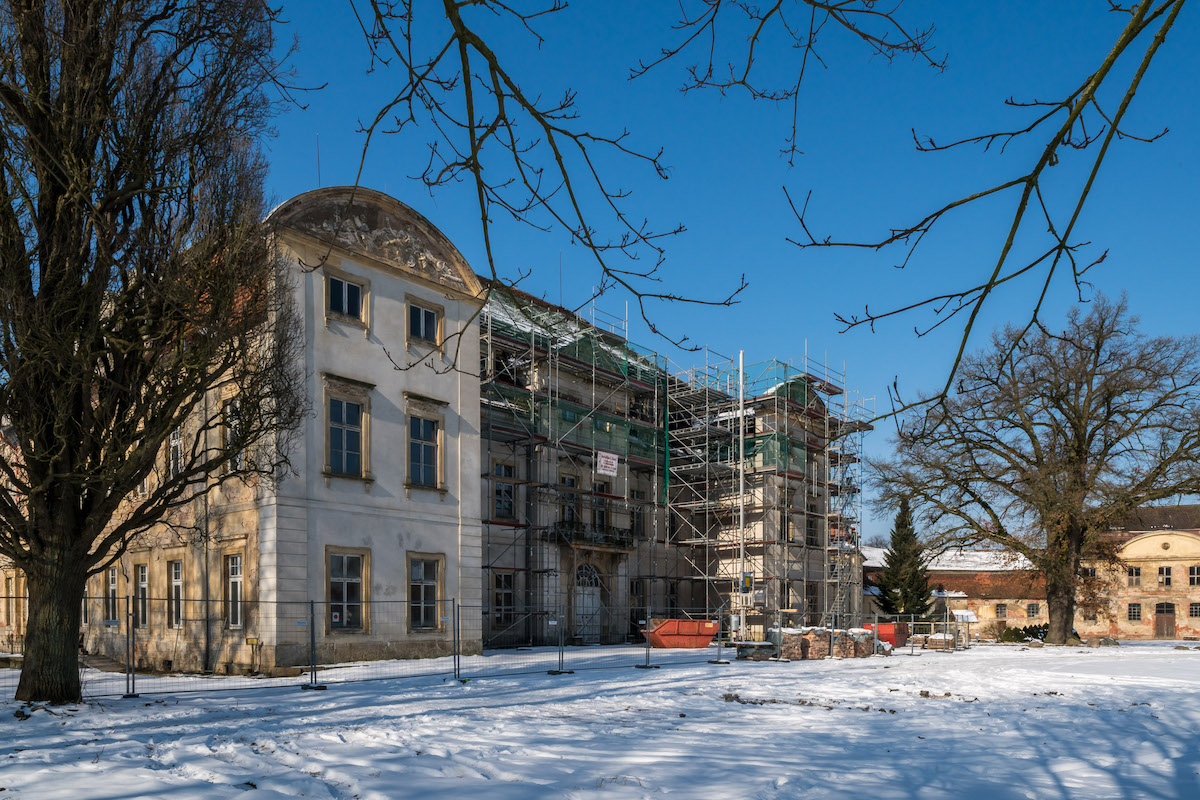
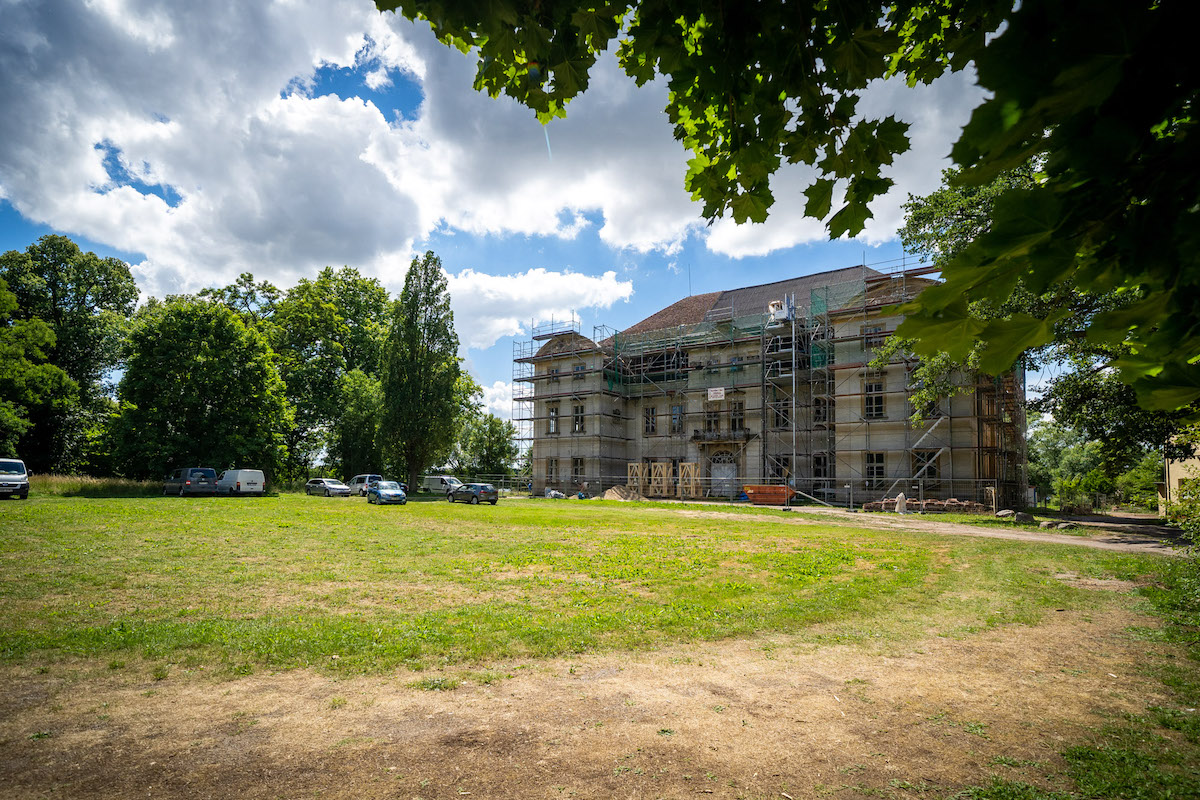
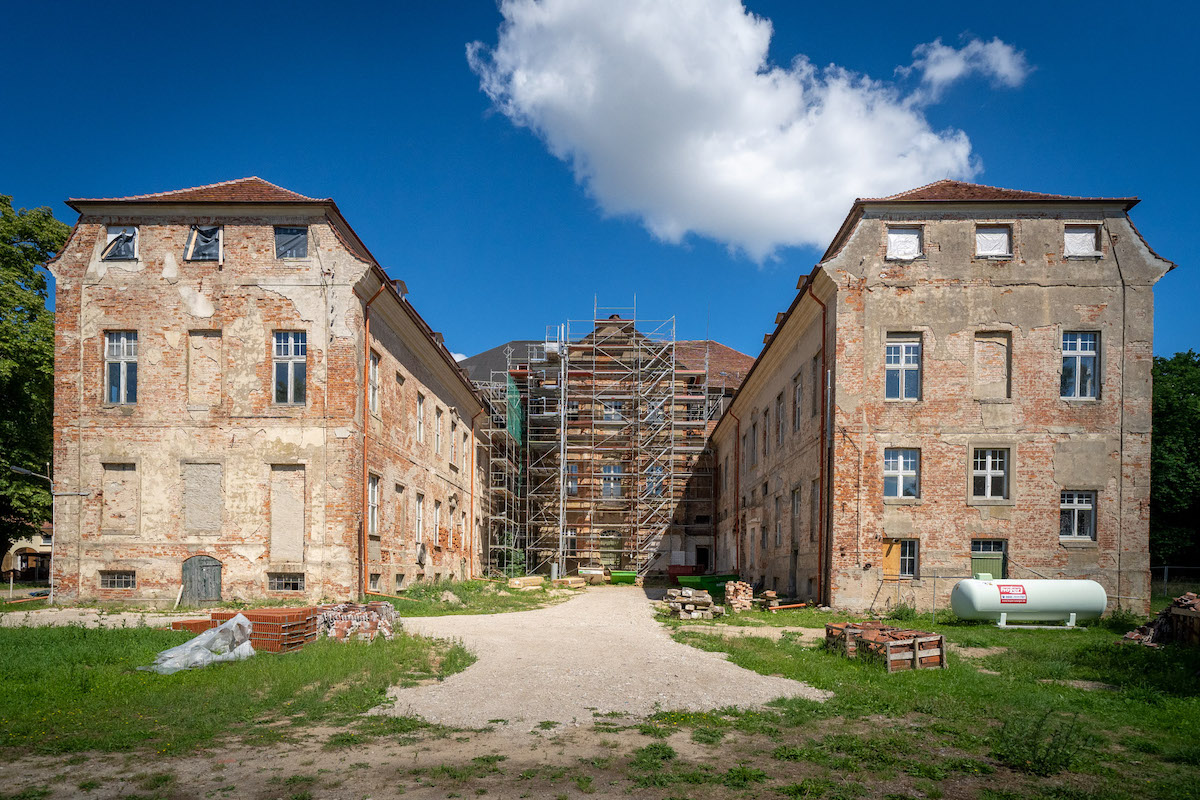
One of the most significant castle complexes in Mecklenburg-Western Pomerania has been undergoing renovation since 2016.


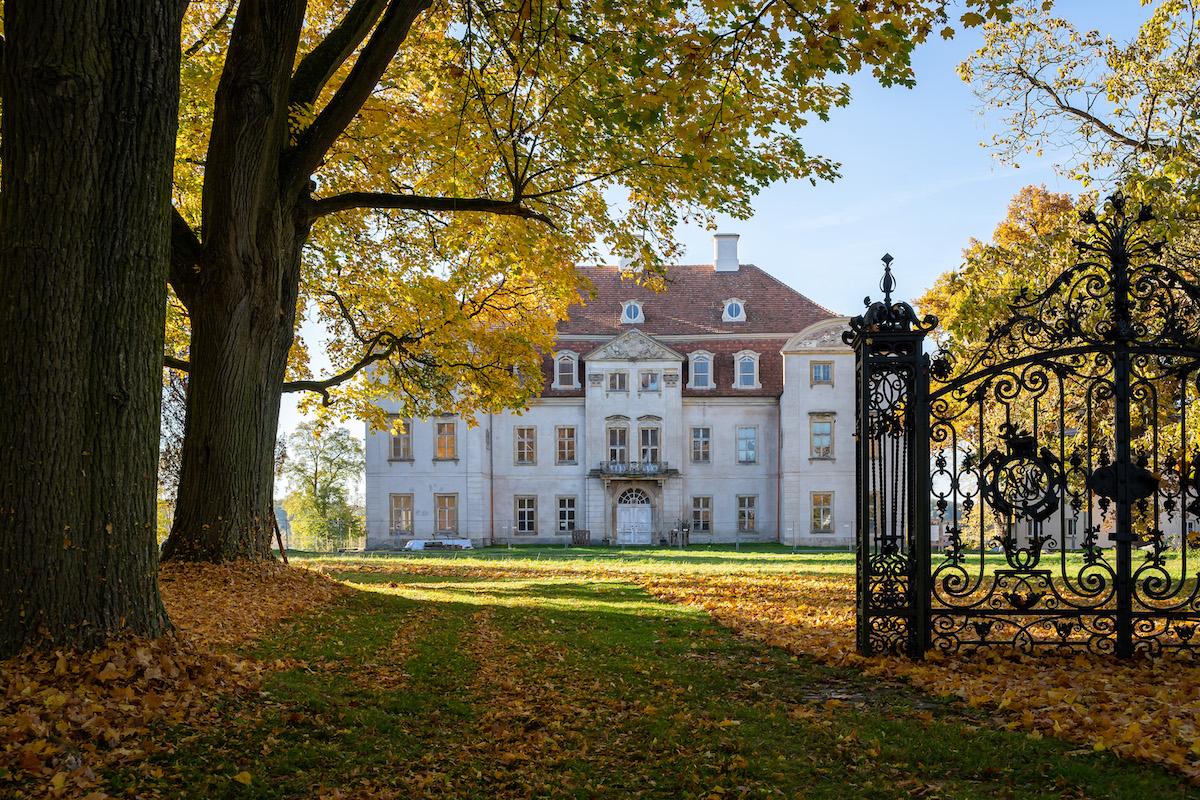


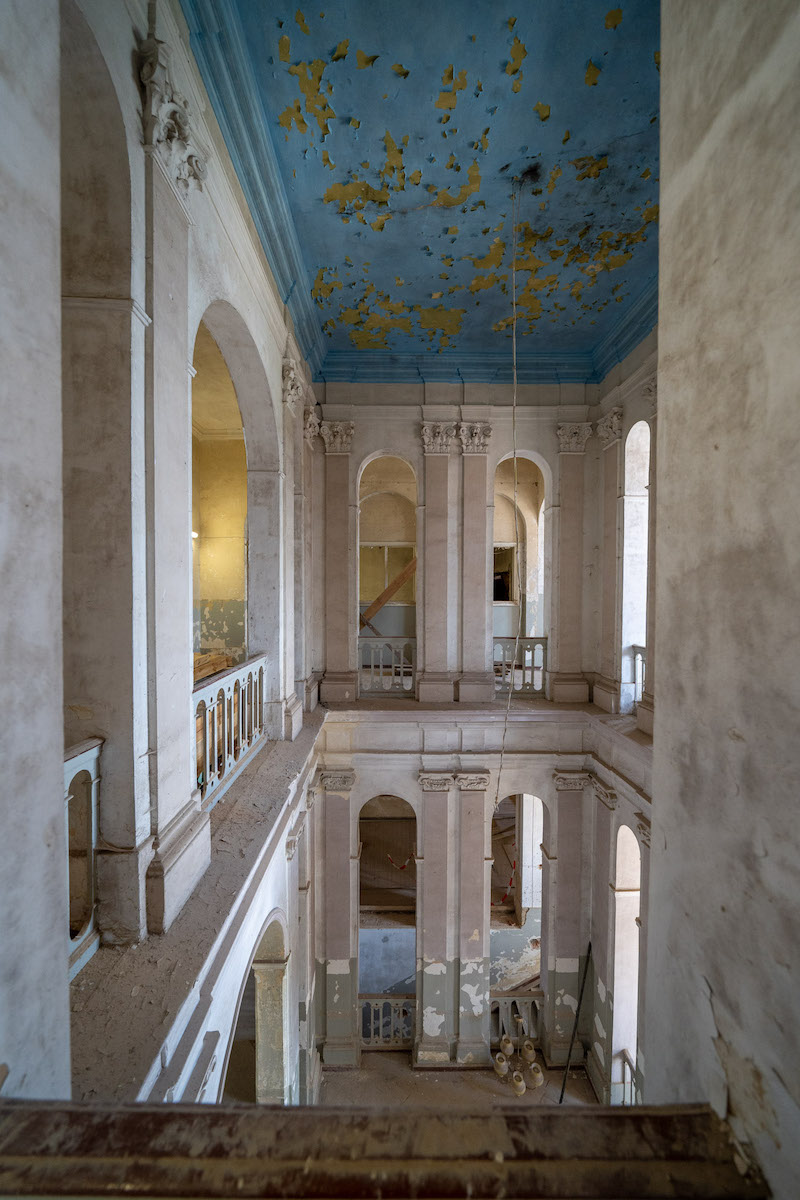
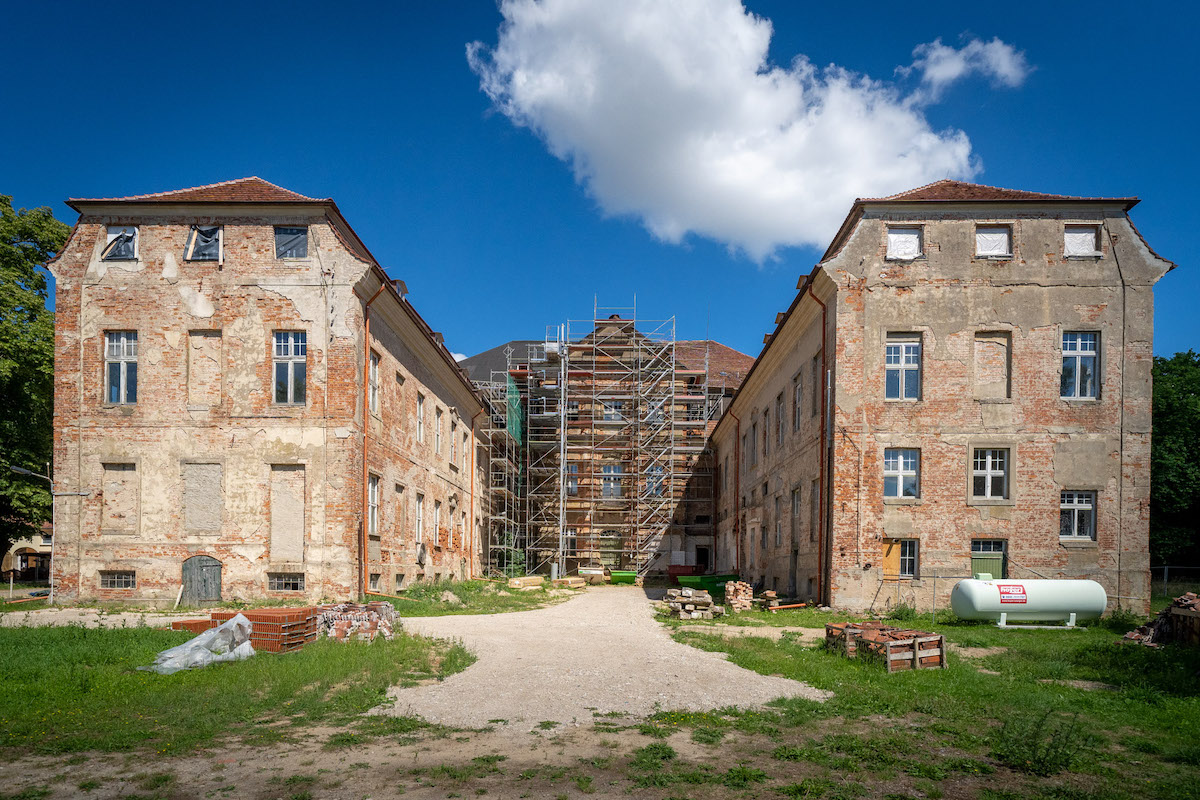
Since 2014, the Ivenack Castle complex—whose grounds are home to the famous 1,000-year-old oak trees—has been designated a monument of national significance. Renovation work began in early 2016, and the Ivenack Castle complex was included in the federal government’s special program for cultural investment projects.
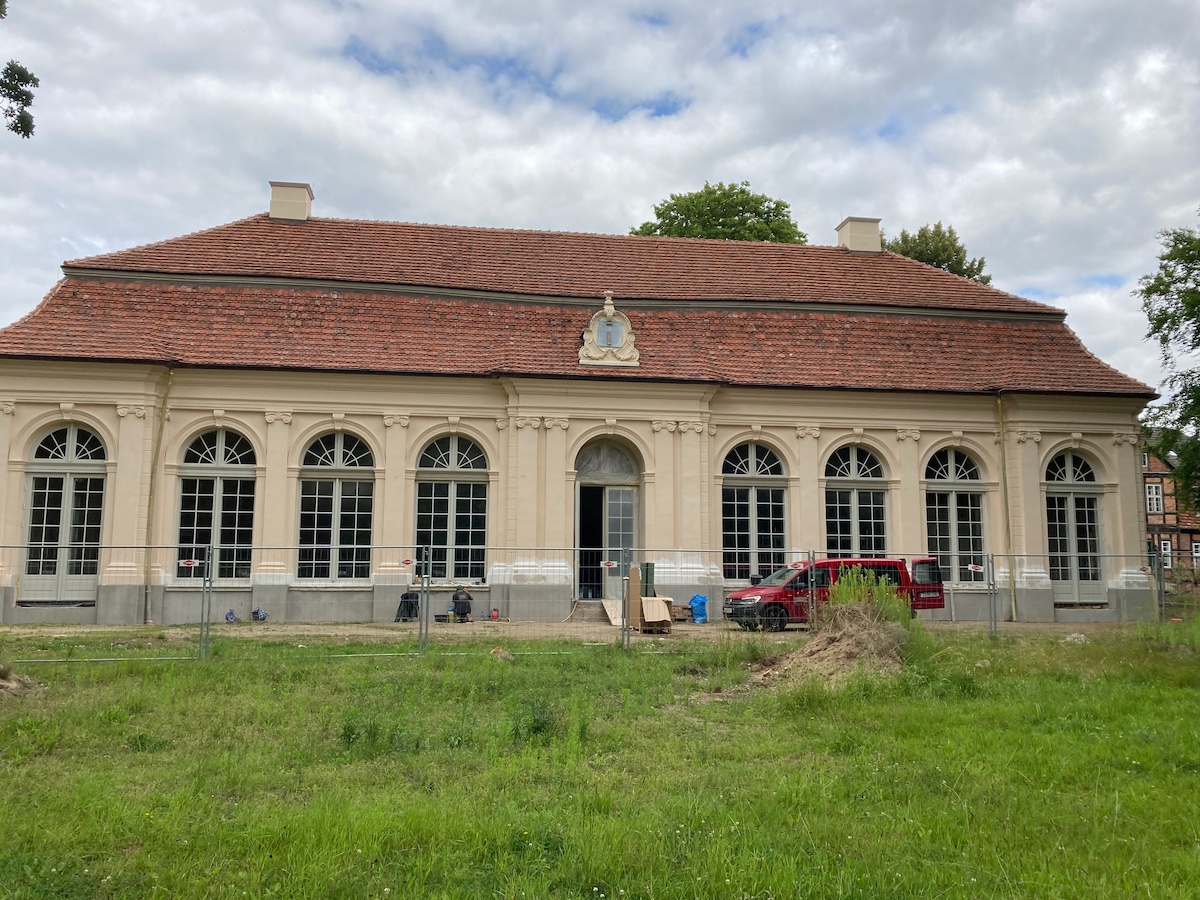
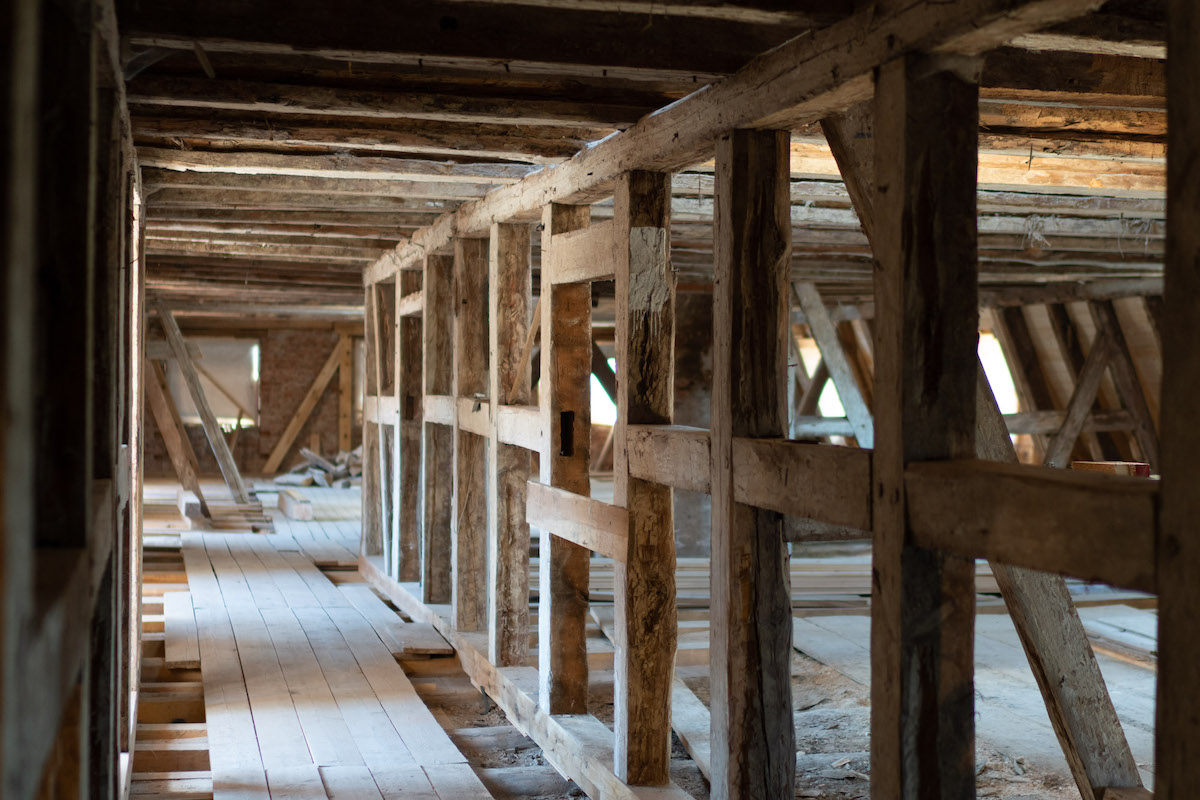
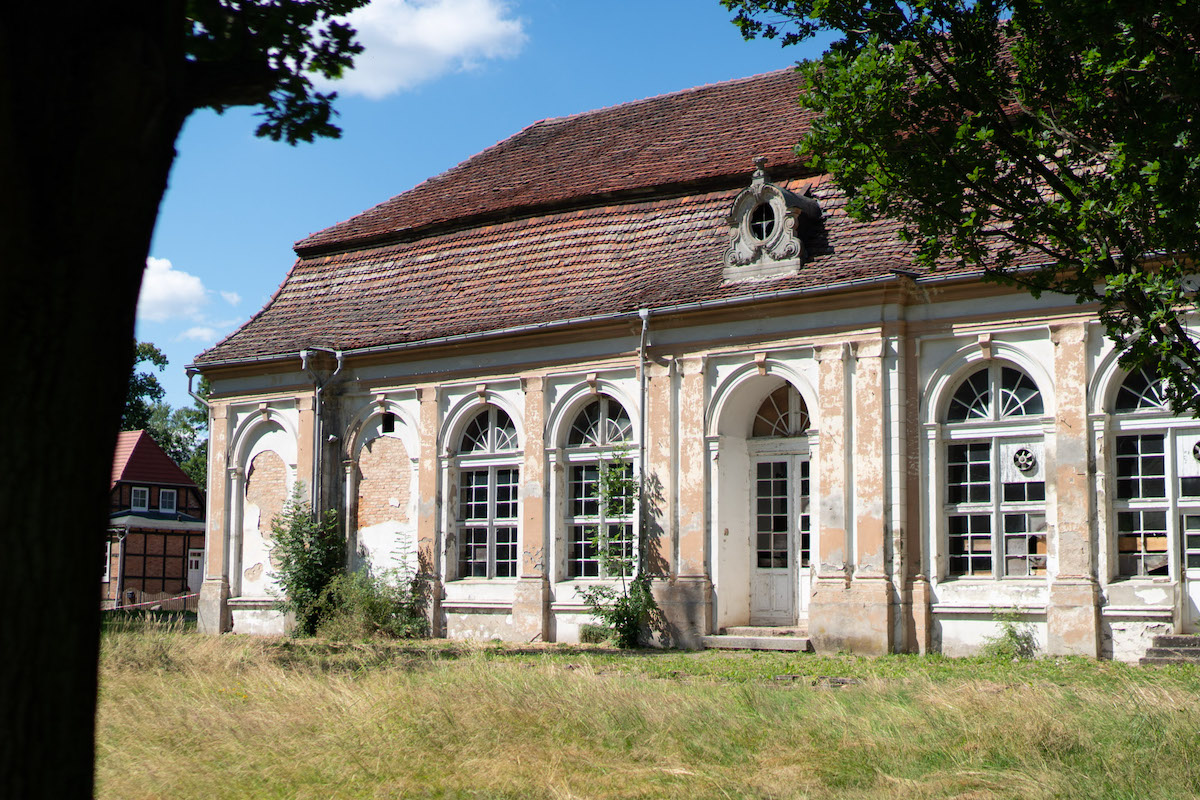
In the first phase of construction, the roof of the left wing will be replaced. Due to dry rot, both the beamwork and the masonry must be replaced. The completion of the first phase of construction will be celebrated with a topping-out ceremony in June 2019. Throughout the renovation, guided tours of the castle are held regularly, and Ivenack also opens its doors for the Festival of Baltic Manor Houses, the MittsommerRemise. By now, all roofs (castle, orangery, tea house, and riding hall) have been renovated. The orangery has been completely renovated structurally and is expected to open as an event venue for the next season in 2025.
As part of the Rostock region’s “Stadt Land Gut” manor house project, painter Daniela Friederike Lüers showcases the beauty of castles, manors, and stately homes in her series of paintings titled “Der Garten am Meer” (The Garden by the Sea). The paintings were exhibited at Ivenack Castle in a virtual exhibition held during the COVID-19 pandemic.
History
Ivenack’s past is full of wonders. There are stories of a mentally ill duke, of “Mecklenburg Siberia,” and of the legendary stallion Herodot, who was ridden by Napoleon before Moscow.
Ivenack was first mentioned in 1252, when a convent was founded here. The Cistercian convent played an important role in the colonization of Mecklenburg and Pomerania. It acquired considerable land holdings through generous donations. Between 1550 and 1560, the convent was dissolved as part of the secularization process, and all its property was transferred to the Mecklenburg ducal house. Around 1590, John VII, Duke of Mecklenburg-Schwerin, had the Renaissance castle of Ivenack built on the walls of the former convent as a residence for his brother Sigismund August.
Sigismund August was mentally ill and excluded from the line of succession. He was granted Ivenack as compensation, married Princess Clara Maria of Pomerania-Barth, and lived with her in Ivenack until his death in 1600.
The Ivenack estate was subsequently leased or mortgaged as part of the ducal demesne and changed hands several times during the 17th century. It was only through an exchange with Privy Councilor Ernst Christoph von Koppelow that Ivenack became a knightly estate. Von Koppelow energetically began the reconstruction of the castle and the Ivenack church, which had been in poor condition since the Thirty Years’ War. Through his widow’s remarriage, the estate came into the possession of Helmuth von Plessen, who later became Imperial Count von Plessen.
When Albrecht Joachim von Maltzahn, Count von Plessen, inherited the Ivenack estate, the castle complex took on its present form. The park was converted into an English landscape garden in 1800, when the tea house and the orangery were built. To the northwest, the castle park is adjoined by a large arboretum, home to the famous Ivenack oaks. In the early 19th century, the Count von Plessen operated a thoroughbred breeding program that was renowned far beyond the region’s borders. The stallion “Herodot” was considered one of the most famous stallions of his time. Many legends surround the gray horse; it is said that Napoleon rode him before Moscow.
Together with its main estate and outlying properties totaling 6,964 hectares, Ivenack was the largest knightly estate in Mecklenburg in 1888.
Decline and a New Beginning
When the Red Army marched in in May 1945, 29 people in Ivenack took their own lives, including the estate owner Albrecht Freiherr von Maltzahn, Count of Plessen, and his wife Magdalena. A memorial stone in the zoo commemorates them.
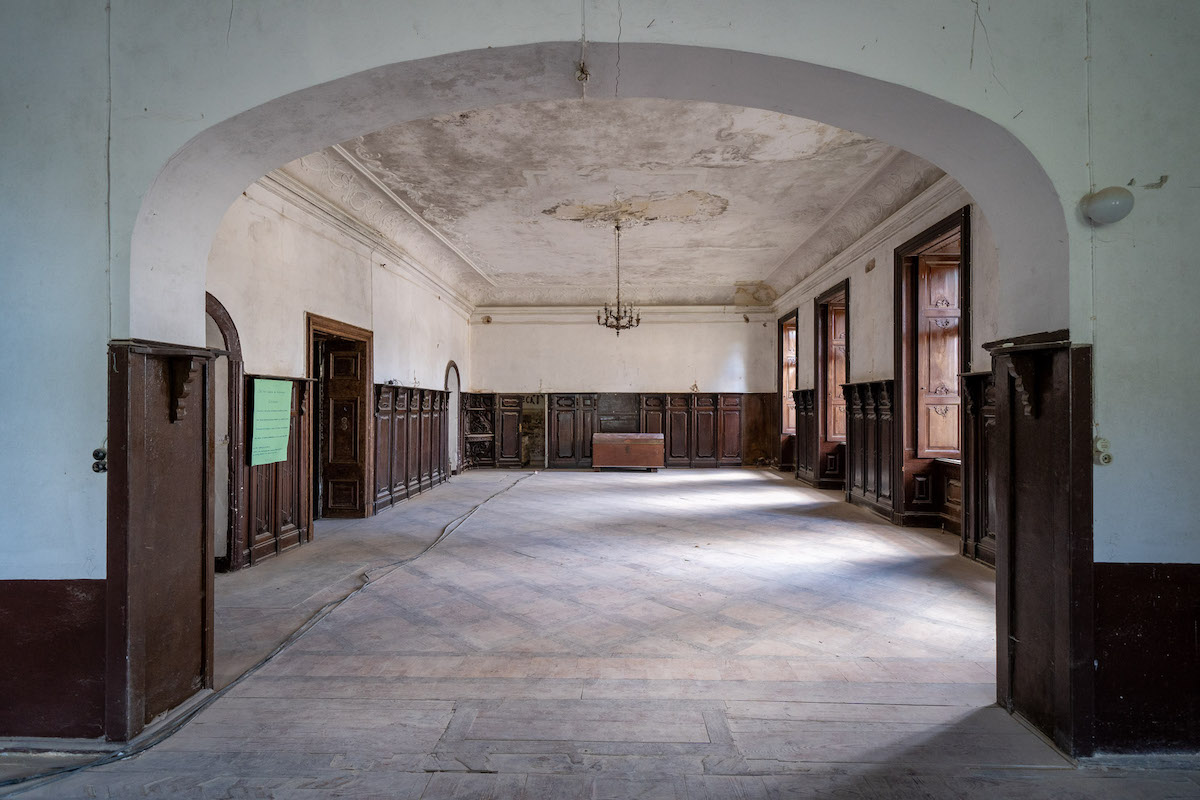
In the years following 1945, the castle initially served as a resettlement home. Later, it was used as a retirement and nursing home. After several failed attempts to renovate and repurpose the castle complex, Danish businessman Lars Fogh purchased the castle and the park grounds, including the orangery and tea house, in 2012.
Directions & contact details
Am Schloss 3
17153 Ivenack
Email: info@gutsdorf.de
Web: https://schlossivenack.de